

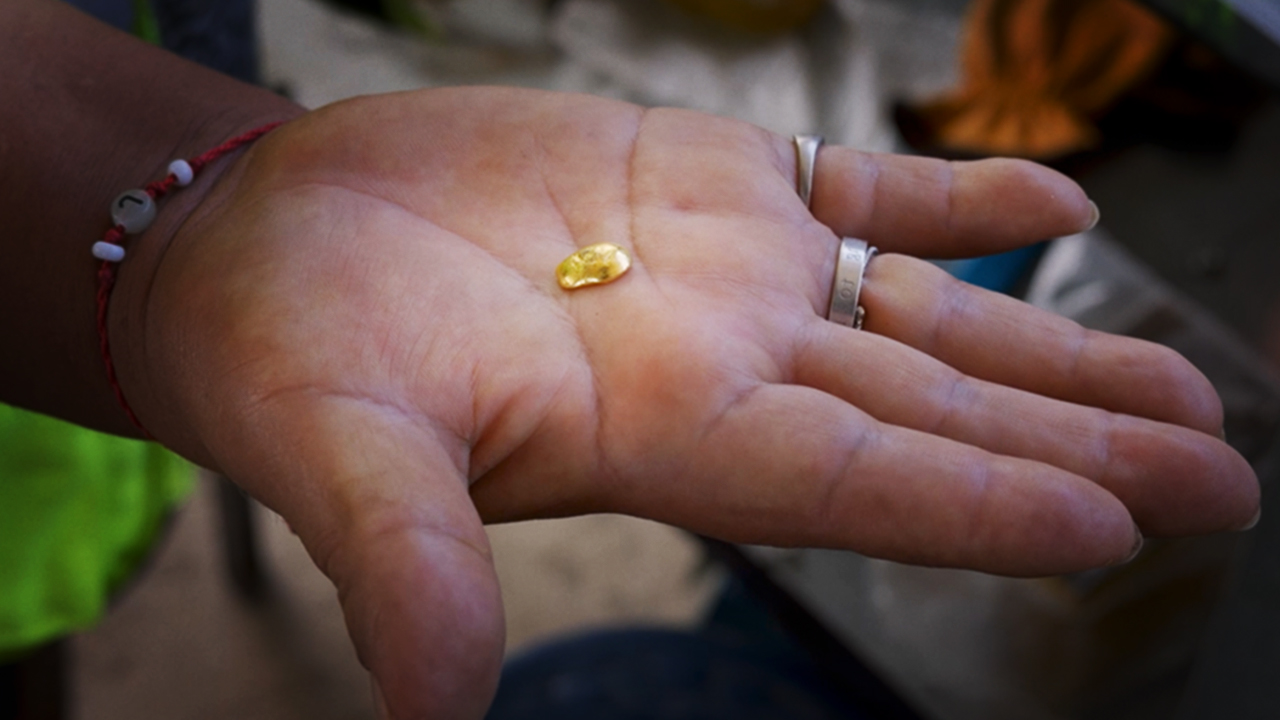
In Madre de Dios, in the Peruvian Amazon, thousands of people depend on gold mining, while the spread of mercury and deforestation are transforming the country’s most biodiverse tropical forest. In La Pampa, one of the region’s main gold mining hubs, a formalized artisanal mining operation is trying to prove that another way of mining is possible. While facing roadblocks, violence, informal economies, and government neglect, it seeks to produce “clean gold” using mercury-free technologies. Through the daily lives of workers, merchants, and small-scale miners, the film explores the tensions between survival, pollution, and legitimacy in one of the Amazon’s most complex extractive economies.


My main account is here. I’m also using this one: solo@piefed.social, because I really like the feed feature.
Btw I’m a non-binary trans person [they/she/he].
- 11 posts
- 0 comments
Joined 2 years ago
Cake day: May 18th, 2024
You are not logged in. If you use a Fediverse account that is able to follow users, you can follow this user.
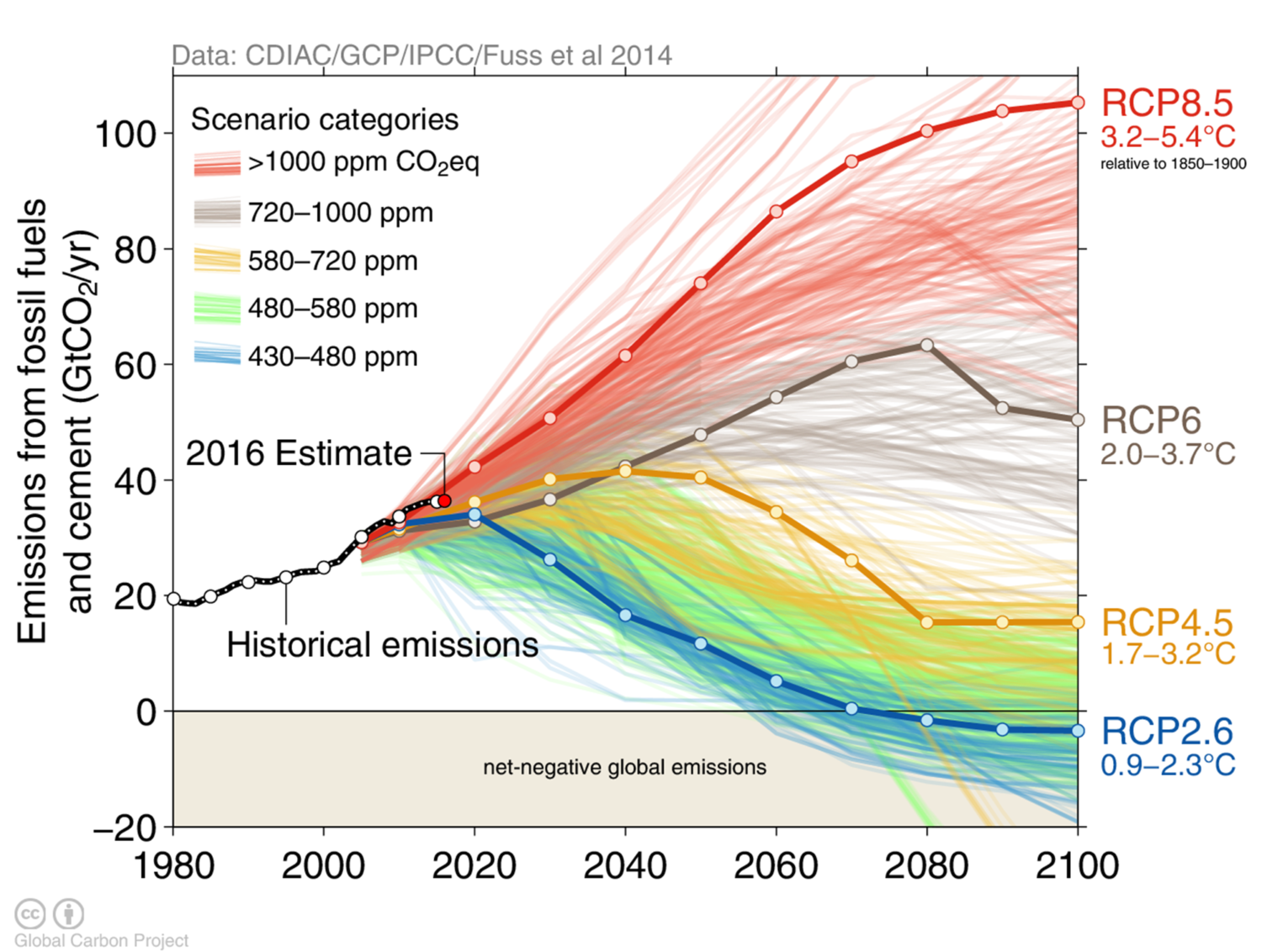

The oil company agents were scouting routes for a new pipeline. But this proposed piece of infrastructure would be carrying a different product from what Shapka’s community was used to—carbon dioxide.
Shapka’s elderly neighbour had “questions about whether he should sign the easement for a [CO2] pipeline,” Shapka told DeSmog in an interview. “There had been no talk of it in the community, nothing in the local papers, nothing in the coffee shops.”
Soon residents were learning about a 2020 carbon pipeline explosion in Satartia, Mississippi, which led to more than 45 people being hospitalized as leaking CO2 made its way through the rural community. The prospect of another major disaster quickly mobilized the residents of St. Paul county. […]
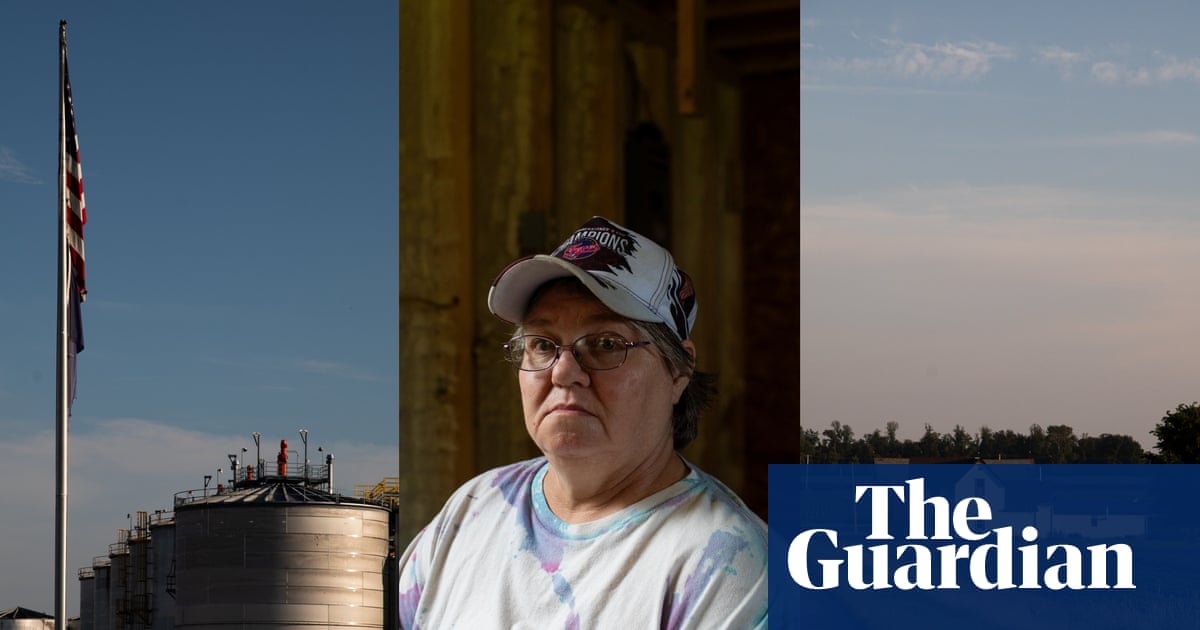
While international climate monitors say carbon sequestration projects could be secondary tools to help contain global warming, they also say the main focus must be on urgent and deep cuts to fossil fuels. Some environmental groups question the benefits of carbon sequestration and are concerned it could delay the transition to clean energy and pose risks to surrounding communities.
Environmental experts say the risks of carbon storage include earthquakes, water table contamination and potentially deadly carbon leaks, and point to several cases where carbon has leaked.
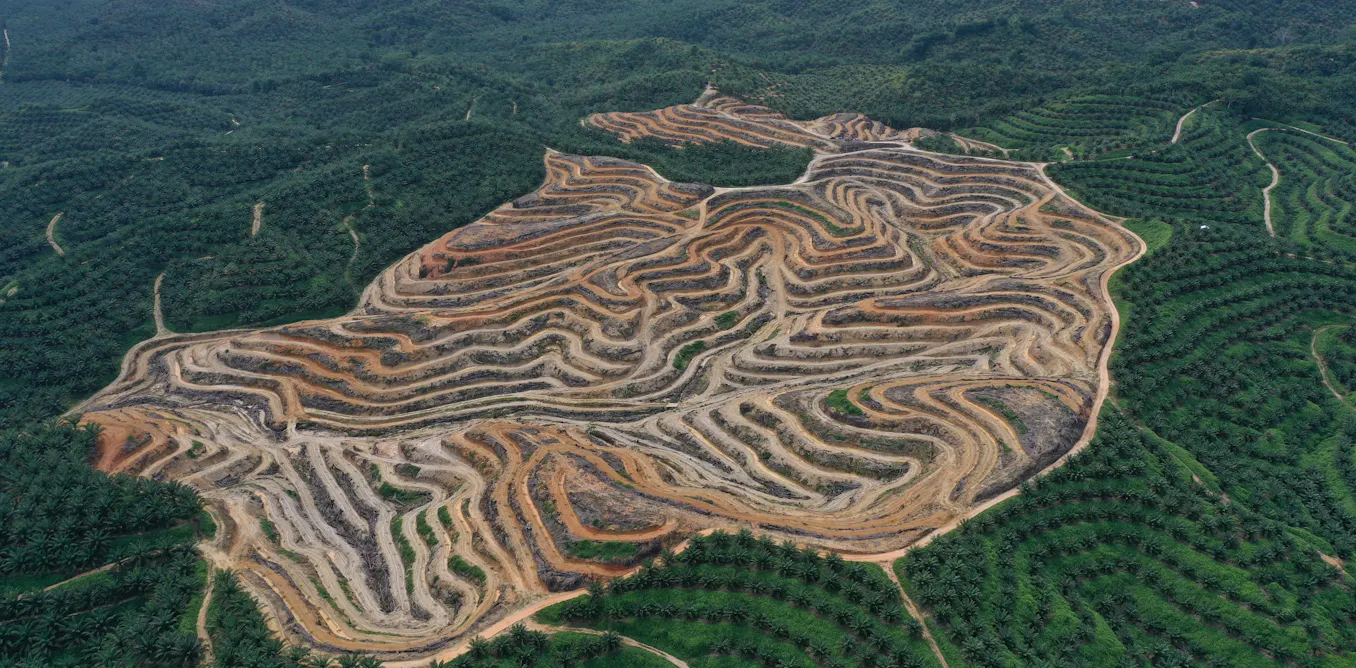
We argue that fossil fuel companies’ deployment of renewable energy, biofuels, carbon capture and storage (CCS), green hydrogen and carbon offsetting isn’t designed to oppose decarbonisation, but to manage the conversation around renewables. False solutions signal compliance while helping to mute calls for a systemic transformation.
However, CCS implementation remains limited worldwide. There is little proven track record of safely storing CO₂ over the long term. (…) Significant questions remain regarding the ability to safely contain CO₂ for decades to centuries.
This article introduces the incident of CO₂ leakage from an underground storage at the Illinois Basin – Decatur Project (IBDP) that occurred in Illinois, USA, in 2024 and outlines key points to be considered when evaluating the safety of CCS projects in Japan.

Supporters including Tony Blair say that we can’t decarbonise without carbon capture. Others argue that it’s a deliberate smokescreen for the fossil fuel industry to continue business as usual,
Carbon capture was spruiked as a way of limiting our emissions – but has Australia been greenwashed?
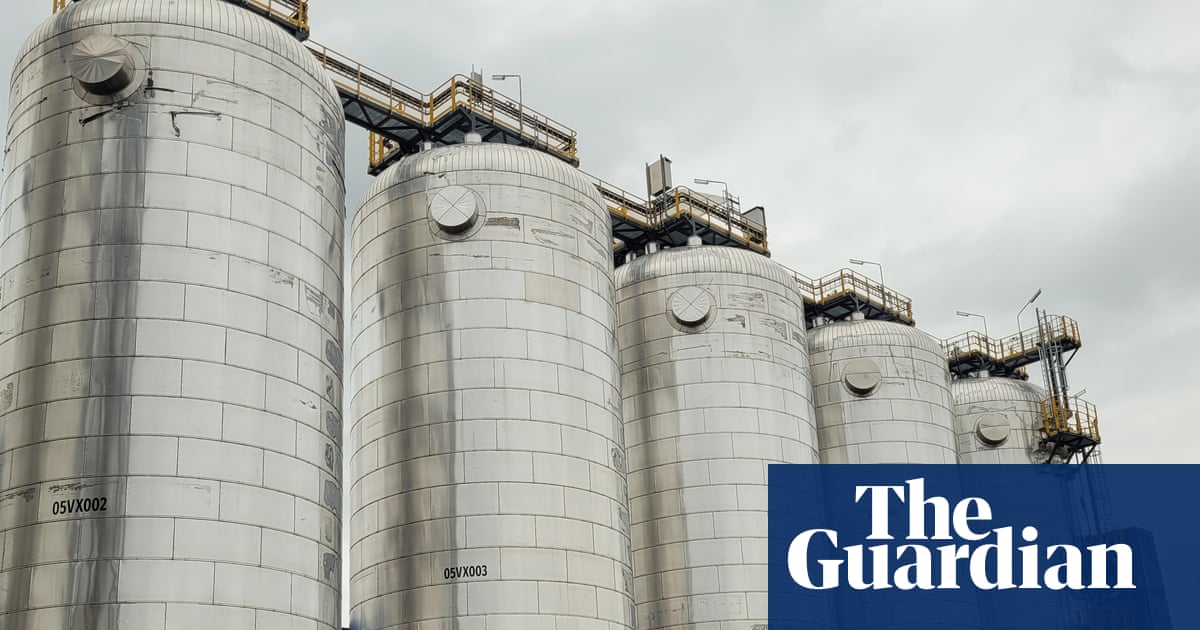
Chevron and its partners in the project, including Shell and ExxonMobil, said it would capture up to 4m tonnes of carbon dioxide (…) It was supposed to cut the direct greenhouse gas emissions from the Gorgon liquified natural gas (LNG) development by 40%. Nearly 10 years on, this is yet to happen.
According to a recent report by the Global CCS Institute, there are 77 CCS projects in operation. About half are for “enhanced oil recovery”, which means the greenhouse gas is pumped underground to help extract more oil, a process that further adds to the climate crisis.
A controversial plan to store CO2 deep under Lake Maurepas was intended to greatly limit greenhouse gas emissions from a nearby industrial plant, but a new proposal raises the possibility that significantly less will be sequestered.
(…) just months after receiving the state’s blessing for air emissions based on that low-carbon vision, Air Products has asked for a do-over.
The proposed change could allow the [Air Products’ project called] Louisiana Clean Energy Complex to become among the top 25 industrial emitters of greenhouse gases in the state, (…)
Some environmental groups, which have opposed carbon capture projects because they claim they won’t live up to the storage rates being promised, speculated the air permit changes indicate the company is trying to hedge its bets.
Gov. Jeff Landry has also instituted a temporary moratorium on new underground carbon injection permit applications to prioritize a review of existing applications. Six projects were fast-tracked under the order, but Air Products’ permit wasn’t one of them.
Fossil fuel companies and pro-carbon capture trade groups are capitalizing on AI’s growing energy demand to justify a new wave of dirty fossil-fuelled power plants— often wrapped in the fig leaf of carbon capture and storage (CCS) to appeal to big tech companies’ desire to be seen as green. This, despite the evidence that CCS is a smokescreen push by fossil fuel companies to make it appear that oil, gas, and coal can magically turn into “low carbon” fuels.
Carbon capture has become the fossil industry’s favorite lifeline — a convenient myth that lets polluters claim they can keep burning fossil fuels while staying “low-carbon.”
88% of CCS projects have failed, while close to 90% of proposed CCS capacity in the power sector was never built. Of the eight coal projects funded with $684 million in US public money, only one — the Petra Nova project in Texas — ever came online, capturing far less CO2 than claimed and then used captured CO2 to extract more oil, making it likely a net emitter.
Since 2005, the fossil fuel industry has spent $954 million lobbying the US government in favor of carbon capture, with half of the lobbying by just fifteen organizations, all of which have direct ties to fossil fuels. In return fossil fuel companies stand to receive over $30 billion in US subsidies for CCS through 2032 according to an official estimate.