

• 11 posts
  • 0 comments
Joined 3 years ago
Cake day: July 1st, 2023

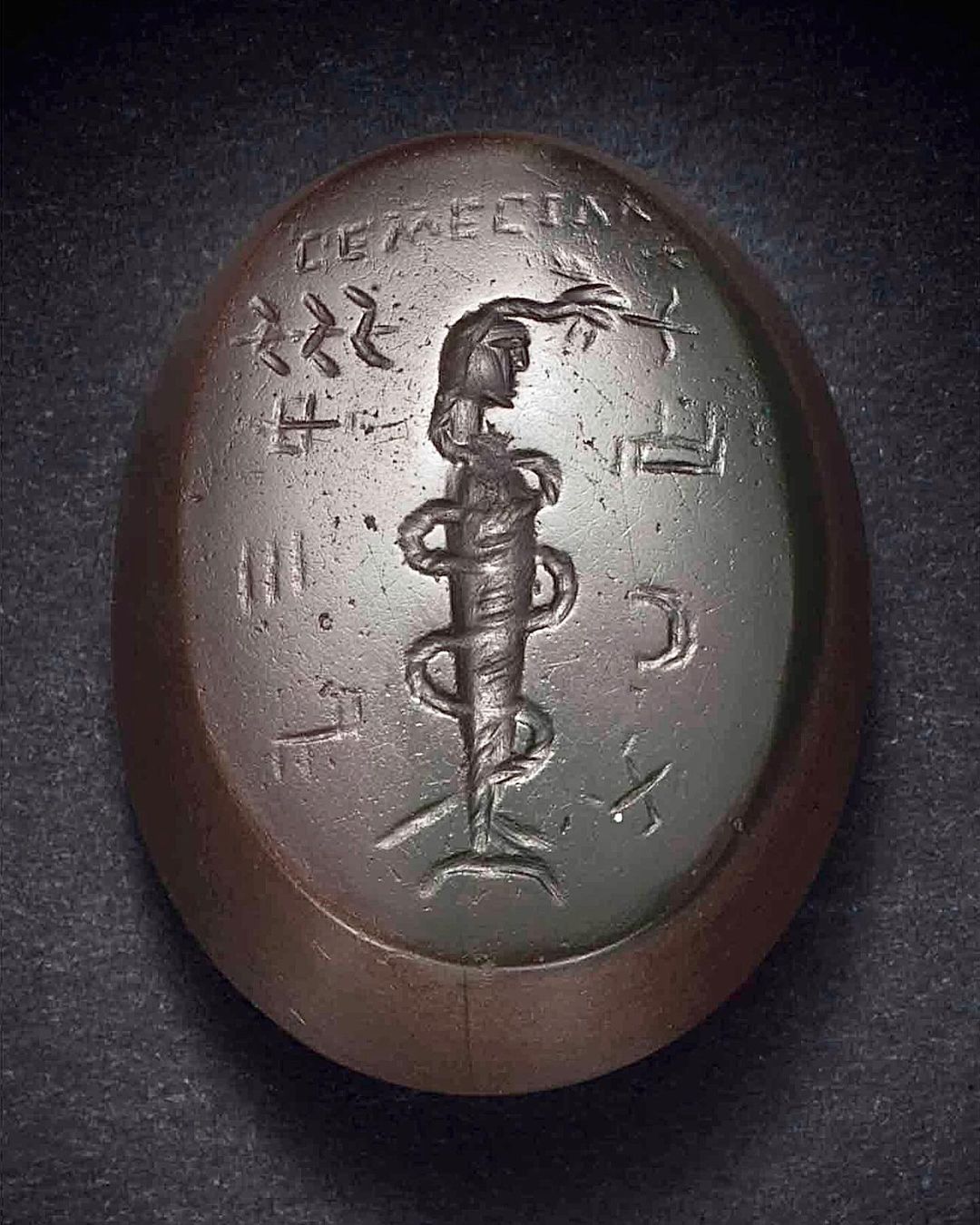
The artifact is part of a private collection; it’s 3 cm long, and it’s dated 3rd century AD.

In ancient Rome, magic gems were used as protective amulets and harbingers of good fortune.

The obverse of this gem depicts the cock-headed Anguipes in armor. The reverse shows a mummiform figure with a snake encircling its body.

The inscriptions, a mixture of Latin, Greek and other languages on both sides are typical of magic gems, in that only a few can be recognized as words with semantic meaning (such as seµesea on the front, meaning “eternal sun”). The inscriptions are so called voces mysticae, invocations and secret names, which would only be understood by the spirits themselves who are being invoked.

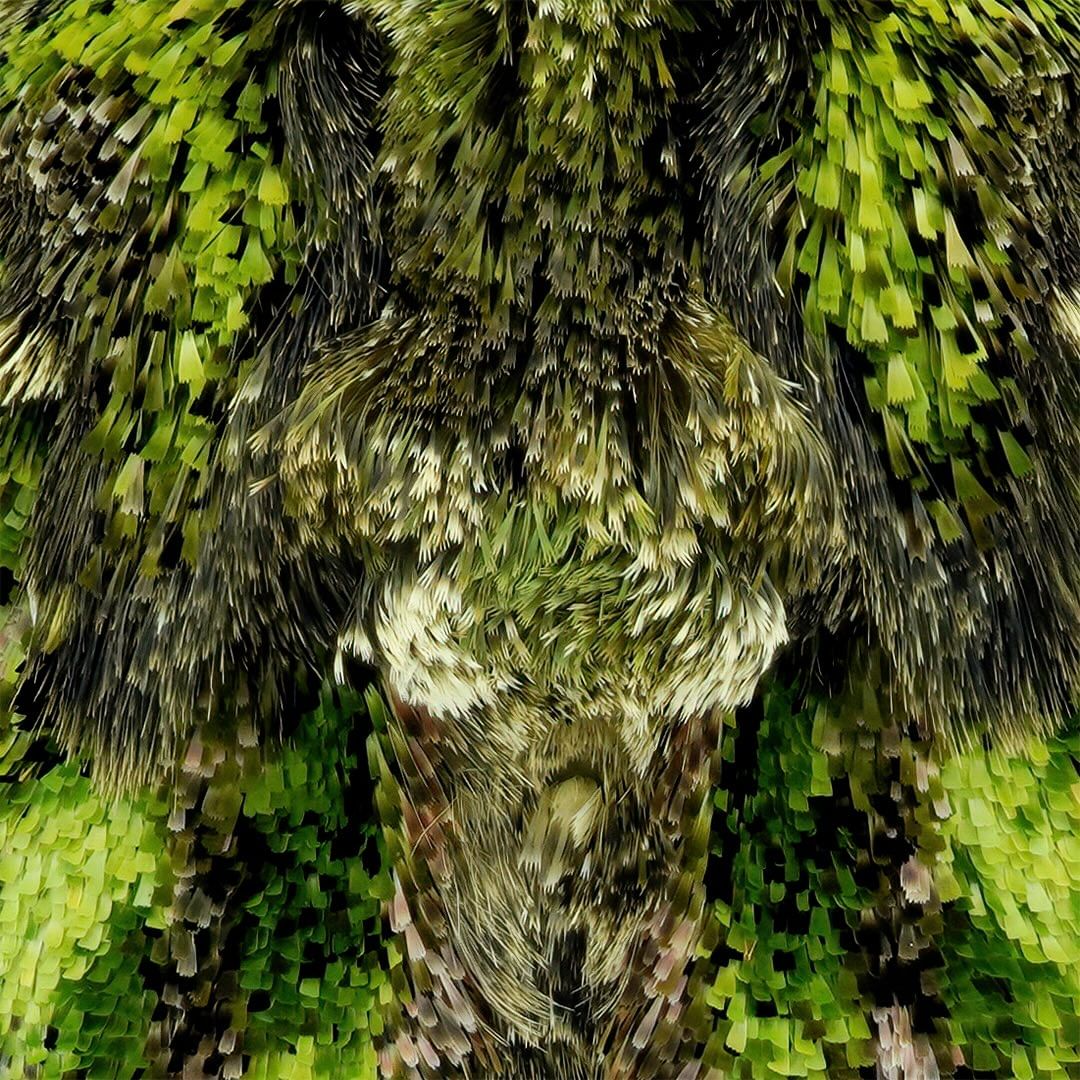
The Orache Moth (Trachea atriplicis) is a species of moth of the family Noctuidae. It is found in all of Europe, east across the Palearctic to the Pacific Ocean and Japan.

The wingspan is 38–42 mm. The length of the forewings is 20–22 mm.

The moth flies from May to October depending on the location.

The larvae feed on herbaceous plants, such as Atriplex, Polygonum aviculare, Chenopodium and Rumex.

A sun bear, highlighting its exceptionally long tongue, which can extend up to 25 cm (10 inches). This adaptation is particularly suited for foraging insects such as termites, ants, and beetle larvae from their nests.

The image also comments on the bear’s somewhat human-like facial expression, which may be due to its unique facial musculature and expressive eyes, often leading to anthropomorphic interpretations of its appearance.

Baobab trees grow in 32 African countries. They can live for up to 5,000 years, reach up to 30 metres high and up to an enormous 50 metres in circumference.

Baobab trees can provide shelter, food and water for animals and humans, which is why many savannah communities have made their homes near Baobab trees.

The first modern flushable toilet was invented in 1596 by Sir John Harrington who installed one for his godmother, Elizabeth I.

Occasionally, some brave knights would conduct sneak attacks by entering the castle via the shaft connected to the garderobe. Throughout history, there have been a number of famous people who died on the toilet. Several of them were stabbed from below while in the process of defecating.

These people include King Edmund II of England (30 November 1016), Jaromír Duke of Bohemia (4 November 1035), Godfrey IV Duke of Lower Lorraine (circa. 26-27 February 1076), Wenceslaus III of Bohemia (4 August 1306) and Uesugi Kenshin (19 April 1578).