- 5 hours
Yeah, gotta keep those plugged. It’s just a service for fully draining/refilling the network for maintenance
- 6 hours
We had such a case in the company, way back before switches got smart enought to deal with this.
Our IT department was not exactly happy…
- kata1yst@sh.itjust.worksEnglish9 hours
Gotta keep those packets in the network where they belong, don’t want them leaking out of the sockets!
- TootSweet@lemmy.worldEnglish7 hours
You plugged those into the wrong ports. You’re supposed to plug both ends into here:
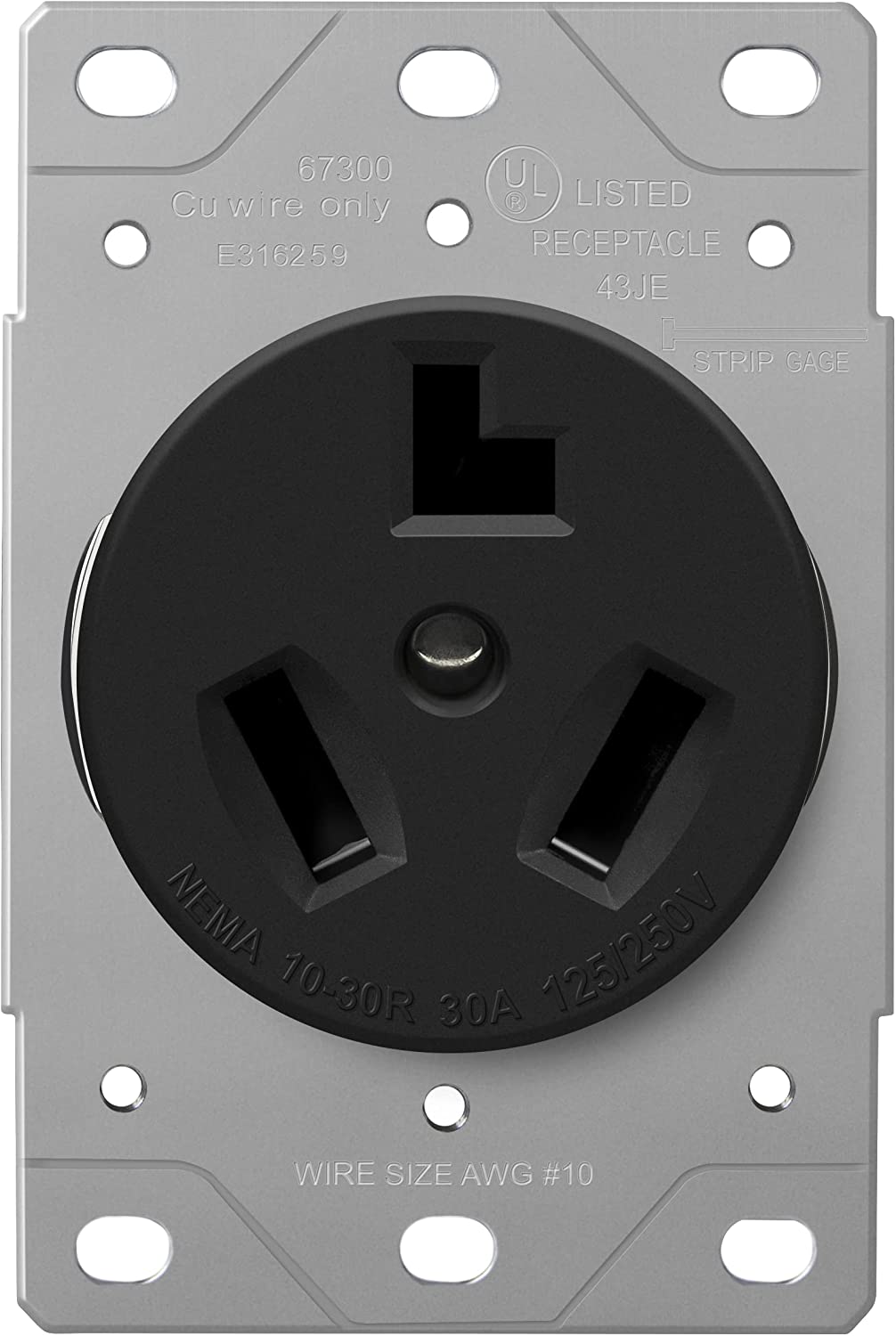
Don’t worry if you have to use a lot of force to get it in there. That’s just to make sure it doesn’t come out if you trip over it.
- 31 minutes
NEMA is an American standard used in North America and parts of Asia. NEMA 10-30 specifically is a dual voltage socket that delivers 120V or 240V depending on whether you use L1/Neutral or L1/L2. It isn’t used anymore though as it isn’t grounded.
- 6 hours
Network loops are real. Network loops are common. Network loops are the leading cause of people screaming “for fucks sake!” After spending far too long looking for other solutions to why the network goes down intermittently.
- hperrin@lemmy.caEnglish6 hours
If you have a good switch or router, correct. If you have cheap consumer level crap, it could potentially cause a lot of issues until you unplug it. It wholly depends what’s on the other end of those jacks, though. Who knows what “in” and “out” mean in this context.
- 8 hours
If you remember to use a cross-over cable, it ruins the address resolution protocol and stops everything from working.
Modern routers have code exclusively to detect it and disable the ports.
- 8 hours
And if you don’t have spanning tree enabled, this could be a big problem