
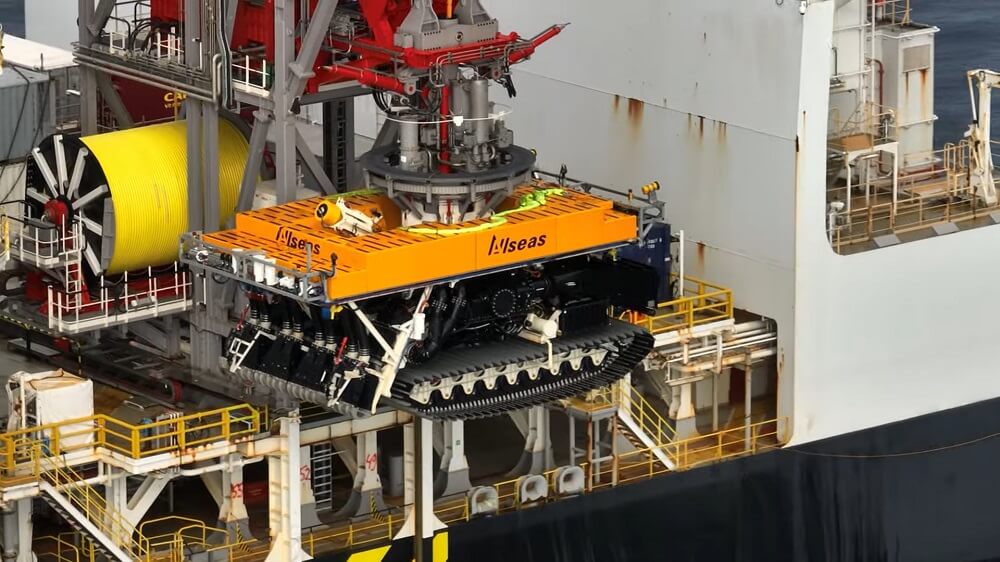
This study confirms that deep-sea mining remains economically unattractive from a commercial investment perspective," asserted Torsten Thiele, founder of study co-sponsor Global Ocean Trust. “The findings also highlight that the risks extend beyond mining companies to sponsoring states and countries dependent on terrestrial mining.”
TMC asserts that the environmental risks of deep-sea mining can be managed, and that it can earn an after-tax internal rate of return (IRR) of 27 percent on its first projects. The firm argues that the world’s economies need a new source of industrial metals, and that manganese nodule extraction can provide that supply with a lower environmental impact than that of shoreside mining projects.
Opponents argue that the long term environmental effects of deep-sea mining are unknown, and that little-studied seabed ecosystems will be disturbed by the removal of manganese nodules from the bottom. Risks include sediment releases into the water column, long-term habitat alteration, and increased odds of extinction for certain vulnerable species, according to some researchers and activists.
It is wild the world is even considering this, it shows how far collapse has advanced that this is normalized.